Gravestone-Read the meaning of the China gravestone inscription
There are many folk customs in the folk customs, such as: bridge road, merit pavilion, Temple of the temple, as well as all kinds of eternal stay in the name of the building, will be listed monument records, so that after the view.I am here mainly to introduce the contents of the gravestone, because the local culture, customs are similar, many friends do not know the writing of the inscription.
People are immortal, inherent death, whether it is expensive for the monarch or cheap for the poor beggars, and ultimately to return to earth. And then in order to cherish the memory and commemorate the ancestors, for the ancestors choose a coordinated environment with the Kyrgyzstan, set a smooth and natural environment can be included in the gravestone to. So that immortal death and sleep under the Jiuquan, Yin Yu later prosperous, brilliant Tengda.
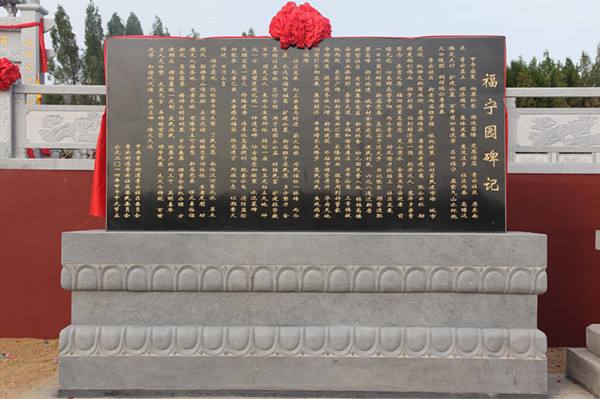
After the death of people buried, the next most important job is gravestones. In general, the erection of the gravestone is the focus of graves, the monument is also the first step in making grave work. All the graves work around the gravestone in this direction. As the feng shui is the traditional Chinese culture, and feng shui and tradition has been "monument to the" argument, that is, in the form of monument and the direction of the center line to determine the good and bad; another approach is divided into two inside and outside. [That is: the coffin or Jintan an introverted, gravestone one for the outward] by the land to take. Therefore, the traditional grave works, the gravestone is not anytime, anywhere. The tomb of a grave must be based on the feng shui of the Kyrgyzstan to choose.
As this is an important part of the identity of the deceased, feng shui arrangements are also very cautious, they may be in addition to the feng shui may be considered in accordance with the color and orientation of the monument, will be in front of the monument to let you have some time to consider the word And good and bad. Therefore, the choice of day in addition to the need for feng shui, but also to give you enough time to think about the contents of the inscription.
Each of the provincial China gravestone, its inscription format is a set of traditional rules, similarity with a specific basic format. The inscription must be a complete account of the name of the deceased, the place of origin, the identity, the descendants, the date of the mountain to the burial or rebuilding the gravestone. As a result of making graves and gravestones is for future generations and choose feng shui, so the feng shui situation must also be clearly explained by the monument.
In addition, the gravestone of the high and wide, the size of the font size, but also by the traditional belief restrictions. All the text of the gravestone must be crossed by the ecliptic, the big word with the big yellow, small word with a small ecliptic. Even the size of the text is also very particular about, of course, is to meet the Kyrgyzstan is better.
The size of the gravestone and the size of the tomb with the whole, in engraved inscriptions, basically follow the same principles, it is necessary to simply explain the identity of the deceased and the followers of the relationship, to maintain the spirit of filial piety and cautious, But also take into account the good and bad feng shui.
In mainland China, perhaps because the deceased are buried in the hometown of land, so the deceased gravestone does not necessarily explain the origin of the mansion owner. Especially the clan of the clan, the gravestone on the origin of the deceased is superfluous.
However, the ancestors of the death in the field are considered to be "dead and foreign land", at the same time, their burial sites are often buried in other counties with the common use of the public mound, so the top of the gravestone marked the house The origin of the owner is also relatively important.
General gravestone inscriptions on the top of the left and right corner of the word is usually the evidence of the ancestral home certificate. It is often engraved from right to left horizontal double word, indicating the owner of the original house. Some of these words are engraved with the name of the county, such as "Taishan", "Chao", or, also, the lettering "X" Town "said the county. And some of the tombs on the origin of that, not all government and one county, but specifically refers to the deceased from the clan village, the gravestone engraved with its surname of the clan village of the birthplace of the name. Such as Penang Fu to help one of the five surnames of the surname of the people do not "Tongan" county and "Xia Yang" village, Qiu people also commonly used "new river", and "stone pond" Xie name is "stone pond" class. This is a manifestation of the origin of the clan village, clearly confessed to the deceased and other surnames were small, this is the clan society of Malaysia, and the formation of local forces to prove.
In the past, the name of the character is not complicated, and may be the same era, the inscription on the original township can be deepened to identify the role of the grave; In addition, this approach is also a silent teachings, reminding future generations to remember their ancestral home.
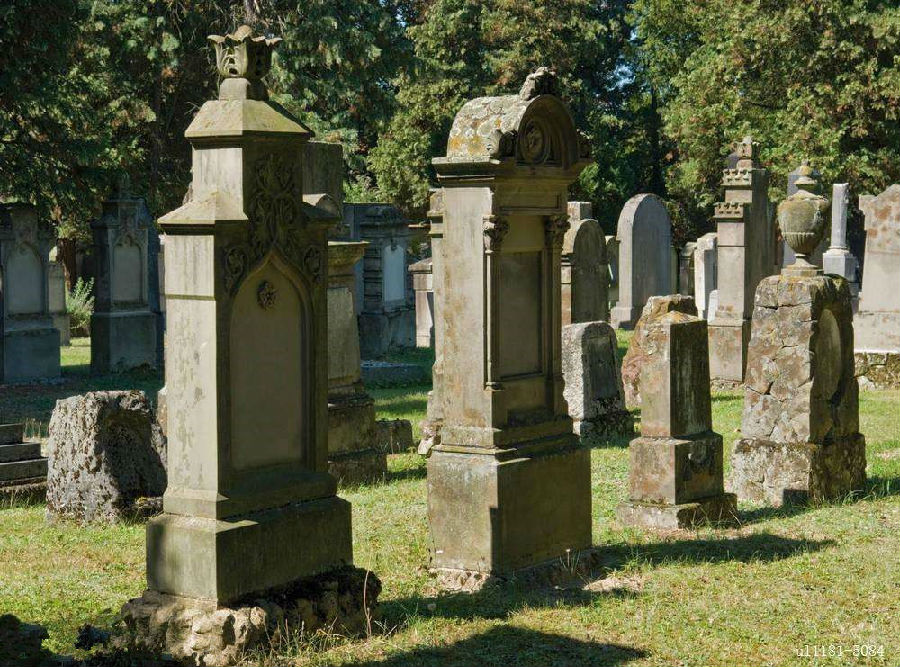
Chinese believe that China gravestone feng shui, especially the rich people's graves, to the future generations to flourish, pay more attention to feng shui design.
China gravestone on the left commonly known as "dragon side". In the Chinese view, the left respect right, the left for the big; strictly speaking, if it is pay attention to the tomb, the cemetery and the size of the gravestone is relatively large; the gravestone of the upper left corner is used to explain the situation of feng shui.
The general gravestone, if the monks of the descendants of the feng shui, then the upper left corner will be engraved with the gravestone seat to explain the grave is in the feng shui on the twenty-four mountain which a mountain, and that the inscription is facing the mountain. More attention to the practice of the mountain to indicate the line, or further explain its sub-gold line. In addition, there is a detailed account of the origin and selection of feng shui origin. This approach is to allow future generations to trace the text from the monument to the previous burial of the hope of "feng shui effect" to understand the predecessors of the painstaking efforts. In fact, this is worried that future generations migrant feng shui, change feng shui, in advance to the gravestone description, is to let the descendants of the predecessors of the tomb of the future generations of the will.
Local practice can not but because of the general size of the cemetery cemetery, the mausoleum was the area and the direction of the grave difficult to choose the constraints, so the gravestone inscription on the "dragon side" is more simplified, mostly engraved with the monument " Month, day "instead of the feng shui line of the account; only a handful of gravestone in the" dragon side "to pay the monument to the feng shui.
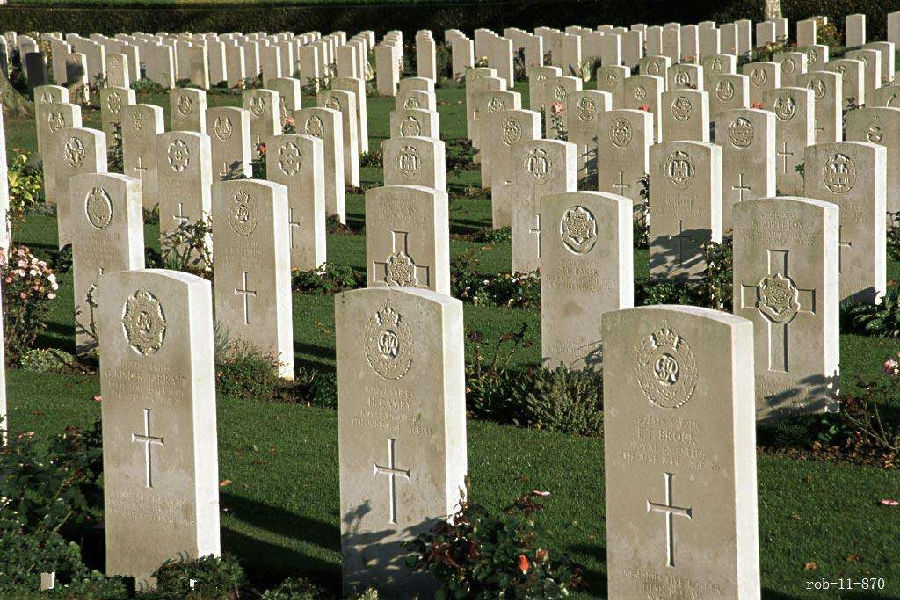
However, this is not to say that the local grave tombs do not account for feng shui. In fact, the offspring of the mansion owner may explain or describe the feng shui of the feng shui pattern on the tomb side of the tomb or the facade of the table; and some on the short column or the China gravestone in front of the handguard connecting the tomb.
The left side of the tomb, if not submitted to the feng shui line, it must be submitted to the monument or rebuilt the date, so the date on the monument is not necessarily the date of death of the deceased. The reason for the date is also related to feng shui. As a tomb design of the shape to the gravestone as the main accessories, as long as the gravestone does not move, the monument can be measured at any time, so future generations to further determine the feng shui to achieve the results and wishes, it depends on burial and monument selected date.
There are many forms of account. Such as the ancient tomb is engraved with the emperor of the dynasty emperor, such as "Jiaqing 15 spring season" or "Tongzhi Yi ugly" and the like. After entering the Republic of China, there are inscribed "Republic" words, but also some only engraved with the dry years and months, Japan, such as "May 15 January." Some of the tomb is the "days of transport" or "dragon and phoenix" and other self-starting number instead of Qing Emperor emperor, that does not accept the rule of the Qing Dynasty, also follow the "Emperor Ming" words to show that the dead is the country is off Of the Ming dynasty continued allegiance to overseas loyalty. Some of the "Ming" tombs are not necessarily the Ming Dynasty, but do not accept the members of the Communist Party of the Qing Dynasty and the former tombs of the tomb, the old gravestone on the fact that the dead reflects the "political tendency."
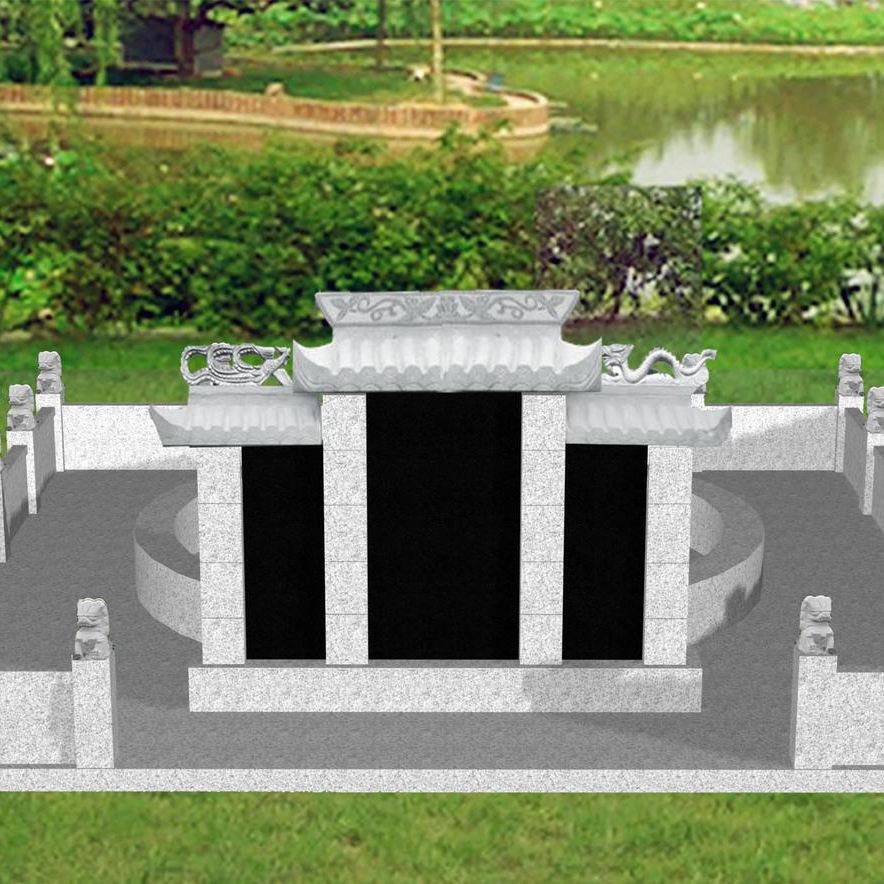
Most of the tombs of the tomb date only engraved on the year, month, day, and some are usually engraved "auspicious day" will be completed. It's all about feng shui. Feng shui sector since the recognition of the day is a deep secret of the secret, do not want to easily leak, and do not publish the monument and the day is to protect the feng shui of the mansion situation is not destroyed. Therefore, many of the gravestone did not say that the tomb or the burial of the "exact day", let alone note the moment of the monument.
As for some monument on the description of the month, often using Mengchun, Zhongchun, Ji Chun and other words, in fact, is the 2, March as the spring, the 4,5,6 months as summer, the 7,8,9 Month as autumn, 10,11, December as winter. The first month of each season to "Meng" word on behalf of the next month to "Chung" word on behalf of the first three months to "quarter" word on behalf of. Also, the folk tradition, with the name of the flower for 12 months alias. The common month of the gravestone is named as follows:
January Mengchun Meng Yang, end months Mei month, the first month
February Zhongchun Zhongyang, Lai month apricot, Haoyue
3 spring spring spring, silkworm peach month
April Meng Xia Huai summer, Yang month Huai month, dry month
May midsummer days, Pu month on the moon, Ji month
6 months of summer months, Jiao Yue Li month, the month
July Mengqiu Zhaoqiu, Qiao month melon month, clever month
August Zhongqiu Zhongqiu, won the month of the month
9 month autumn and autumn autumn, chrysanthemum on the moon
October Meng winter early winter, should be on the month Tan, Yang Chun month
November mid-winter months, the moon month months
12 months of winter winter, the twelfth lunar month, the twelfth lunar month
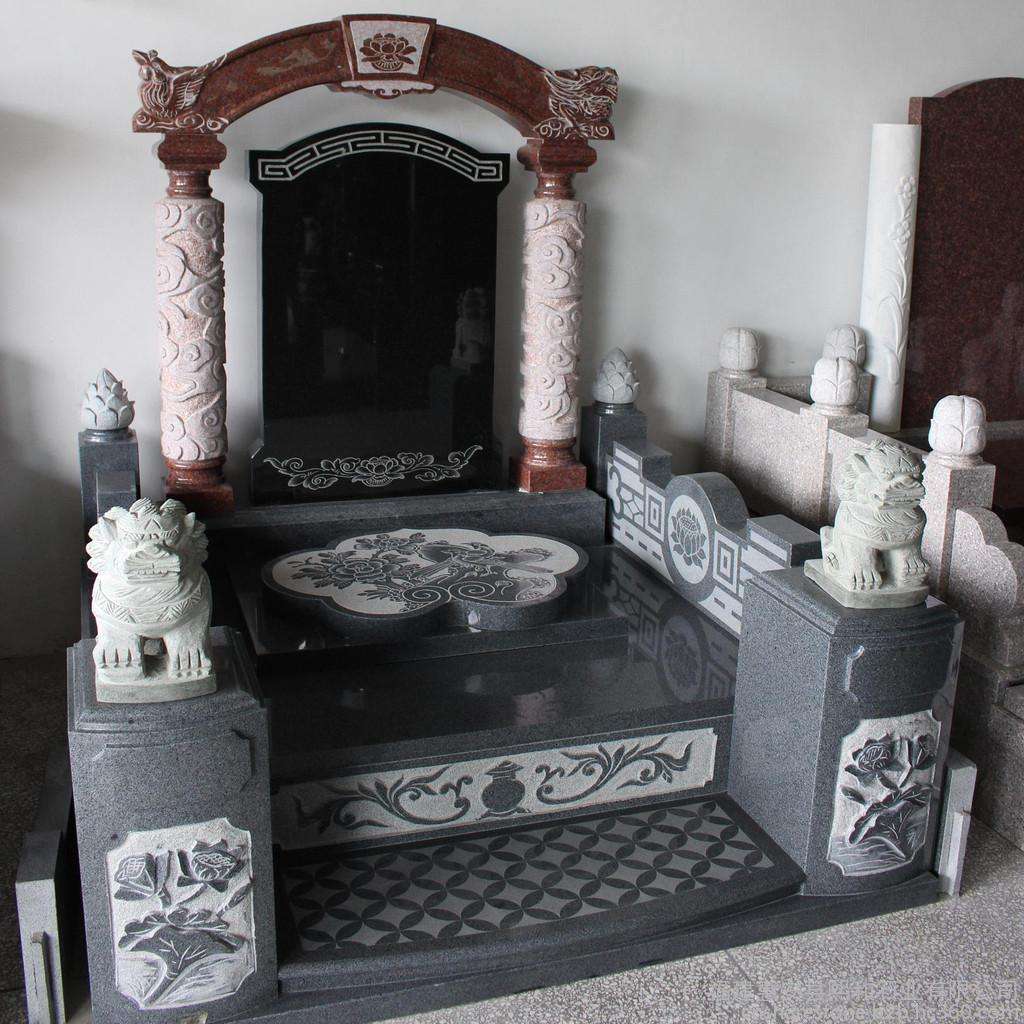
In the confession on the monument, there are many gravestone will use the "grain Dan", "Jidan", "auspicious day" and other words. This is the word from the "Book of Songs Chen Feng East Gate". The poem is: "Valley in the poor, the source of the East," said. "Mao Chuan" explained: "Valley, good also." "Zheng Jian" is the solution: "Dan, Ming." Therefore, the monument on the "Valley" that is good meaning. In addition to the "grain Dan", some gravestones with "Jidan", "auspicious day" and other words, meaning and "gluten" the same. Use these words, in addition to the pursuit of literally auspicious, many times may involve the number of good and bad superstitious.
The central part of the gravestone, commonly known as the "list", engraved with the gravestone text of the main text, with the shortest specifications to account for the identity of the deceased in the tomb. It must be included in the focus of the name of the deceased and the dead after the highest rank or status, it also shows the relationship between the deceased and the monument. In addition, the Nanyang area of the China gravestone also because the deceased is buried in the "foreign land", compared with China's gravestone "list" is not the practice of the country, more emphasis on the Chinese consciousness of the word, the majority plus "clear" Huang Qing "," Emperor Ming "," Republic "," China "and other words, indicating that the deceased is" off dead ", but still die to their homeland.
Ming and Qing dynasties in southern China on the gravestone "list" word format also has a set of feng shui auspicious requirements.
gravestone central title, and some are "call the name of the call" the way to call the dead, such as "x xx xx government monarch", and as "ancestral xxx public xxx", "flower Aberdeen xxx", "flower girl xxx ". In general, the "even name with surname" engraved text accounted for the majority, such as engraved "so xx Lin Gong of the tomb", "test long water forest cemetery", "significant jade water Lin's tomb" and the like. According to the rules of the feudal era spread, the female deceased is headed by husband, therefore, there will be such as "ancestral 妣 xx Qiu Men Lin's Tomb" engraved text, and some female deceased's monument may be surnamed, such as "Show the Qiu door Linru people of the city."
There are some married women, their wife's gravestone is in accordance with the above format to a translation of the surname.
"List" of the line, in the description of the name of the deceased at the same time, respect for the name of the deceased will appear at the top of some special terms, such as "test", "significant", "show", " "Was 15 ancestral test", "24 test" and other words. These special words are used to explain the relationship between the deceased and the monumental kinship. If the party comrades of the monument or explain the comrades of the party's relationship, it may appear "righteousness", "disabilities" and other words, instead of the relationship between the relatives of the title.
Here are some special terms that can reflect the relationship between the monumental and the deceased, as well as the deceased's identity:
Test, test - father
妣, 显 妣 - mother
Ancestors, ancestors, ancestral exam, show ancestral test - grandfather
Ancestral 妣, show ancestral 妣 - grandmother
Male, princes - men
'S, the people - the woman
Flower Aberdeen - Unmarried Man (Cantonese)
Girl, flower girl - unmarried woman (Cantonese commonly used)
24 world test - by genealogy, father for the 24 ancestors
21 is the ancestral ancestors - by genealogy ranking, grandmother for the ancestors of the twenty-first ancestors, righteousness - who is not the people of justice; righteousness, is the devotees, the gravestone has this word, and more that the tomb of the party related.
In the performance and the relationship between the monument outside, sometimes "list" in the top of the text will appear "clear", "imperial", "imperial", "China", "Republic", "Royal" Words. Although these are self-denying the ancestors of the ancestors of the sense of belonging, but the political position is obviously not the same. In particular, the same time the deceased each with "Emperor" and "Emperor Ming" engraved text, or anti-Fuming organization leader monument was engraved with "Huang Qing to be gift" words, all show political changes. Some of the gravestone will also give the Qing Dynasty or the local government to the title of the tombs, or the party's private posthumous title engraved in the list of the top of the name, to illustrate the glory of life in the tomb.
In this category and the political identity of the relevant words, in fact, can also explain the political identity of the monument itself. For example, in the feudal society, only seven or more officials of the mother or the royal family can only be named in the gravestone, "the people of the people", but the Chinese Hakka women's tombs are available "people" called. According to the legend of the guests, this is because the Hakka Qiao Yan in Meicun collective rescue, blocking the yuan soldiers. So from the Song Dili Guo will be ordered to seal all the Qiao Yan to "children" title.
Some women and even other women in Fujian and other languages also follow the same customs, even if the husband or son did not get more than seven articles of the patent, the family is still in their gravestone engraved "people" words.
Therefore, we should pay attention to some of the gravestone "list" on the deceased's title, sometimes with the double word "House Jun" instead of "public" word, with "people" instead of "the". These words are to explain the sex of the deceased, but not necessarily explain the status of the deceased. In fact, they are also often used to deal with the "list" word line of good and bad, is the time of the inscription according to the number of good and bad, the use of single or double word.
This inscription "list" a total of 17 words: "Emperor Qing Xianzu Jin Shengmou Qiu Men Wu's good city". "Emperor Qing" shows its nationals' thoughts and political tendencies. "Show ancestral 妣" 3 words that the deceased is a monument to
the grandmother. 17 words made a big yellow way."In the list" of the word line in the inscription occupies an important position, the traditional inscription that its words related to good and bad, sloppy.
The judgment of the inscriptions is mainly based on the behavior of the list. Next to the number of words in the total number of words to meet the "raw, old, sick, dead, bitter" five characters small yellow way to "raw" and "old" for the law. Chaoshan area also has a list of "Xing, Wang, death, must" prevail, the number to meet the "Xing" and "Wang" as well, "dead" for the medium. Such as "significant twenty-two ancestors test Yulin Qiu Gong's tomb", the total number of 13 words, according to "sick old sick" order, read down, the whole line stopped at the word "disease". Such a gravestone will be no argument. The solution is to "twenty-two" can be changed to "twenty-two", so that the last word of the bank stopped at the "old" word; or the "tomb" of the "word" Line last word stop in the "Health" word.
Simply put, in the list of the main business of the mantra of the line, in order not to encounter the number of fierce, you can use Tim word or word reduction method, such as Tim "imperial", or "clear" the word "emperor" Or the "public" renamed "House Jun", but also to "the tomb" of the "slightly" or use "Ying" word method and so on. Sometimes you can also "test" or "show" on the "explicit" word removed. For example: "Emperor Qing test" to change the "clear test", "list" of the text of the application and add or delete to express their identity, add or delete in line with the auspicious auspicious format, the meaning of the same, the number of good and bad words are not the same The
Minnan Zhangquan custom and good words on the good and bad words of the practice. This practice emphasizes whether the tomb of the tomb or the tomb of the left to explain the total number of words, should be consistent with the good and bad, must meet the "sick and sick" and "old" and "old" May be the "Republic of China in the beginning of March in the first ten" into "Republic of China in the beginning of the year in the beginning of the year." Which is the most stress is in addition to the representative of the origin of the cross is not included, the other left and right 3 lines of words must be in line with the "old" word, and all three add up the total number of words and meet the "raw" word, called "three Old life ".
Some feng shui can not cope with such the spread of Fujian and Guangdong, the spread of local customs in Southeast Asia, will be in the list of six words for the number of Kyrgyzstan. And that "imperial" and other countries involved in the words should not be attributed to the calculation of good and bad figures, that it is the same nature and horizontal character, not the list of the text.
The right side of the gravestone is commonly known as the "tiger edge", in the lower right corner of the gravestone side, is used to record the list of monks. In some cases, if the "dragon side" on the left is engraved with records of feng shui, the date of the burial and the monument is moved to the right of the "bottom of the tiger" and engraved on the right side of the list.
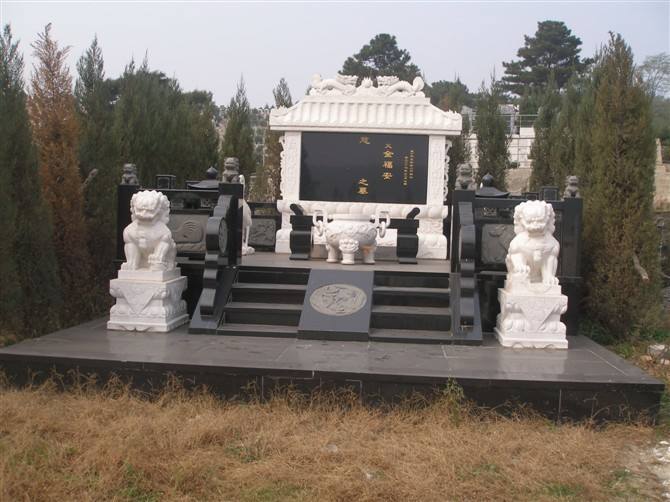
There are three kinds of gravestones in the gravestone;
First, the owner of the mansion of the immediate descendants of the descendants or relatives by the monument.
Second, if the characters are no descendants and their merits, by the organization gravestones.
Such as the public mound around, common indicate "Yixing Museum" of the party gravestones; or by the deceased fellow responsible for the body buried monument.
Third, by the relatives of the monument. Especially in the early days of open hazel pizza, the monumental may be whitehead to send blackheads, Penang some of the mountain still left by a lot of uncles or brothers monumental Qing Dynasty grave.
The first kind of by the descendants of the monument, "list" of course, you can use "test" or "show ancestral test" to call the name of the tomb to show the relationship between the deceased and the living ancestors. Other people stand the monument, you can not use "妣", "test" and the like, or in order to avoid the whole line of "illness and death" words, can only use "so" instead (such as: cemetery).
If the right side of the gravestone is the name of the descendants of the deceased, you must be in accordance with the seniority of men and women before the order of ranking. The first line of the first act of the first line of descendants; row of male left female right, men and women, respectively, if the location is not enough, the top row of the men's volleyball line, and women then the lower right end of the second line; second generation also according to this format in the first On behalf of the next line. If the third generation or fourth generation, and so on to calculate. Each line of text is the elders at the far right.
Regardless of the monument is the descendants or elders, the gravestone of the specifications is the name of the monumental are listed in the lower right corner. Here to follow a "left respect right", "the dead for the big" traditional concept.
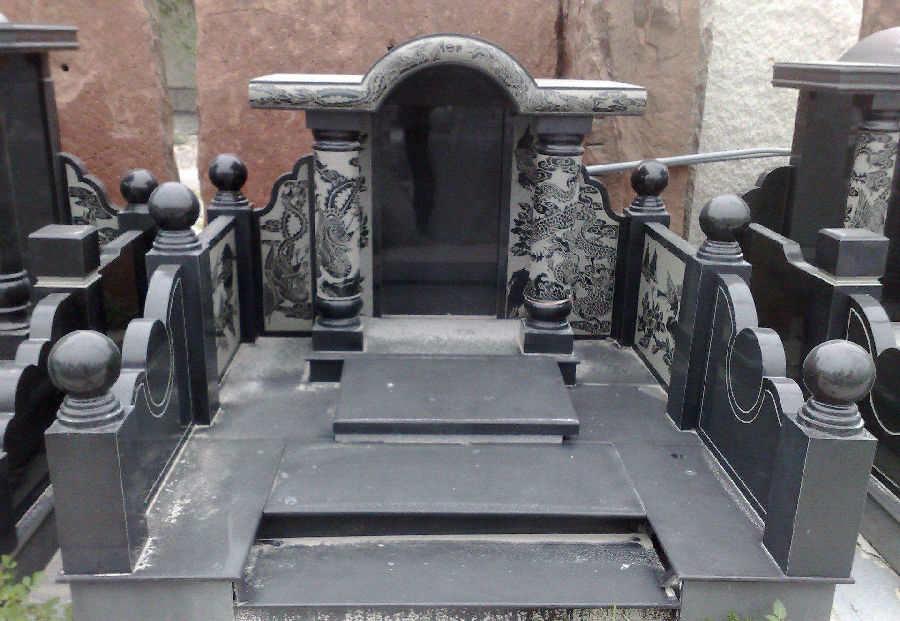
It is important to note that all the graves and their descendants, in order to emphasize that the meaning of "filial piety" is not only for their lifetime, but also emphasizes that "filial piety" must be extended to death, according to the spirit of the family system, The children of the dead and the names of men and women are also engraved in the ranks of "monumental people".
However, based on the Chinese people to express their children and grandchildren and people may be very good at good and bad numbers, in some of the past tombs on the list of monks, may not be realistic. The list will include some "unborn" or even "never born" list of immediate members. Their children may be in the deceased has not yet sun or grandchildren list is not rich enough, pre-engraved with a series of lists, after the generation of grandchildren on the list of tombs on the list. This is what we call 'wangding' name first good.
About the life of the grandchildren, burial time and feng shui sitting and sub-gold are engraved in the table to tell future generations, their ancestors to their wishes.
Above the discourse on the monument to the discourse of the discussion, mainly for the general civil tombs, does not include monks, Taoist monument specifications. The source of the information is the experience of the mountain to the feng shui community and the engraving community for many years. It is also a kind of knowledge which is difficult to refer to the written reference material.
Different gravestone, in addition to the specifications of the inscription must be limited, its font, size, and carved patterns, allows the craftsmen to play their artistic talent, and to meet the requirements of folk beliefs, Folk art.
Hot Products


People who liked this story also liked