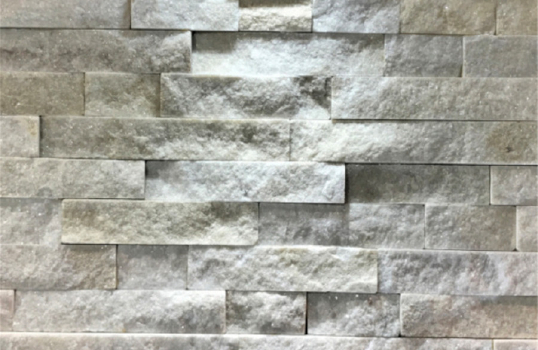
Limestone belongs to what type of rock
The limestone is mainly formed in the shallow sea environment. Limestone can be divided into pellets limestone (water transport, sediment formation); biosystems limestone and chemical, biochemical limestone. According to the structure can be subdivided into bamboo leaf limestone, oolitic limestone, leopard skin limestone, lumpy limestone and so on. The main chemical composition of limestone is CaCO3 easy to dissolve, so in the limestone area to form stone and cave, known as the karst terrain Limestone is the main raw material for firing lime and cement, which is the flux of iron and steelmaking.
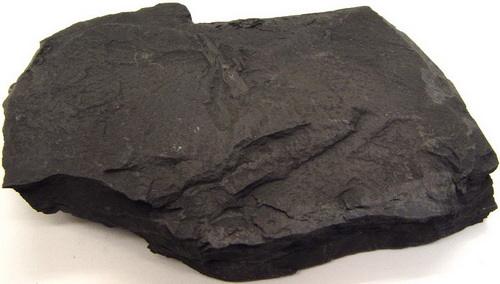
There are biochemical effects of limestone, often rich in organic debris. limestone generally contain some dolomite and clay minerals, when the clay mineral content of 25% to 50%, known as mud limestone. Dolomite content of 25% to 50%, known as the dolomitic limestone. The following are the same as the "
limestone distribution is quite extensive, lithology uniform, easy to mining processing.Classification of limestone should be attributed to [sedimentary rocks]
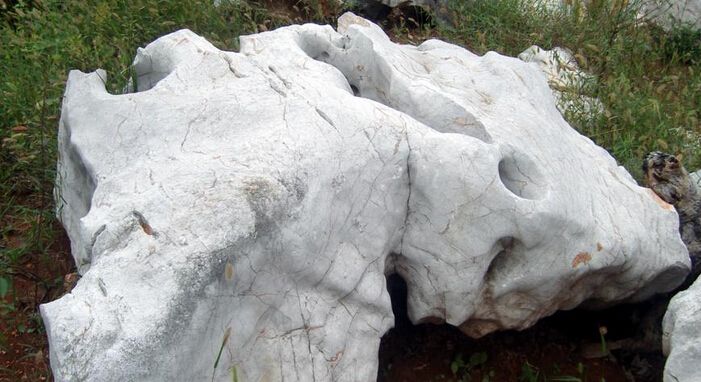
Genesis classification
The igneous rock, also known as magmatic rocks, is made of condensed coal from the interior of the earth and condensed and solidified under different geological conditions.When the melt is sprayed by the volcanic channel, the rocks formed by the surface solidification are called rock or volcanic rocks. Volcanic rocks are basalt, andesite and rhyolite.
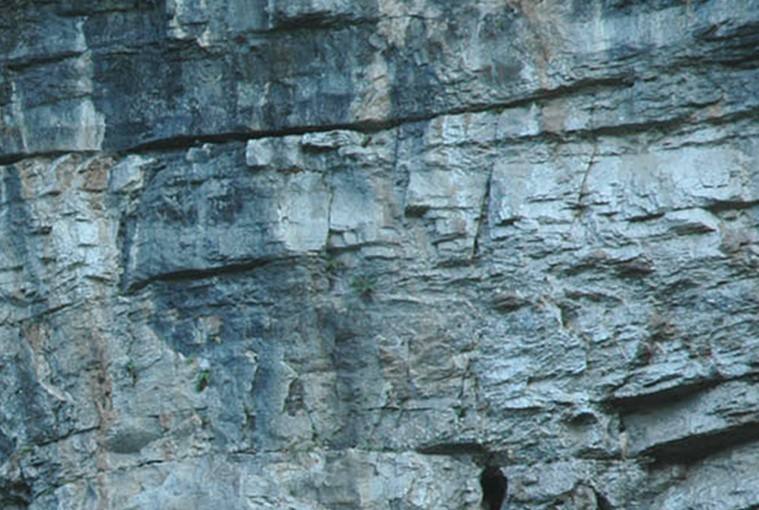
Sedimentary rocks, which are formed by weathering, atmospheric and atmospheric conditions, are formed by weathering, volcanic debris, organic matter and a small amount of cosmic matter. The formation can be divided into clastic rocks, clay rocks and Chemical rocks (including biochemical rocks). Common sedimentary rocks are sandstone, tuffaceous sandstone, conglomerate, clay rock, shale, limestone, dolomite, siliceous rock, iron rock, phosphate rock and so on.
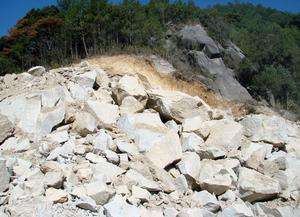
The metamorphic rocks can be divided into five categories: metamorphic rocks, metamorphic rocks, metamorphic rocks, mixed rocks and metasomatic metamorphic rocks, according to the different types of metamorphic rocks. Common metamorphic rocks are mylonites, fractured rocks, limestone, slate, phyllite, schist, gneiss, marble, quartzite, amphibolite, granulite, eclogite, mixed rock.
From:limestone
Hot Products




People who liked this story also liked